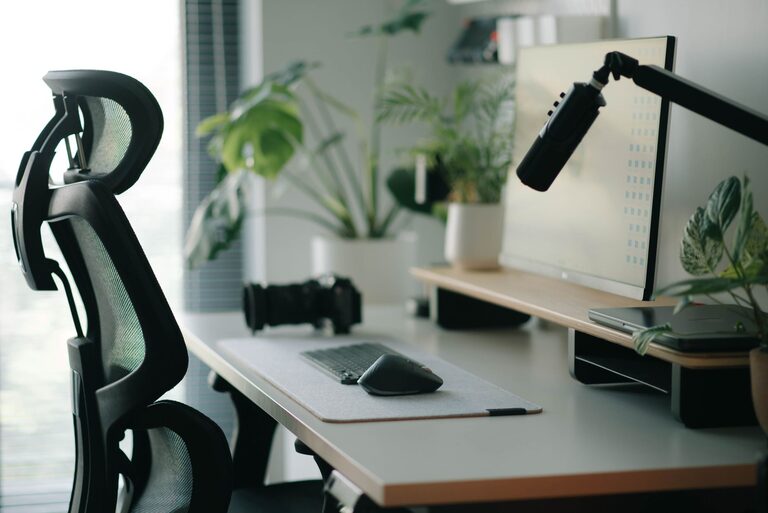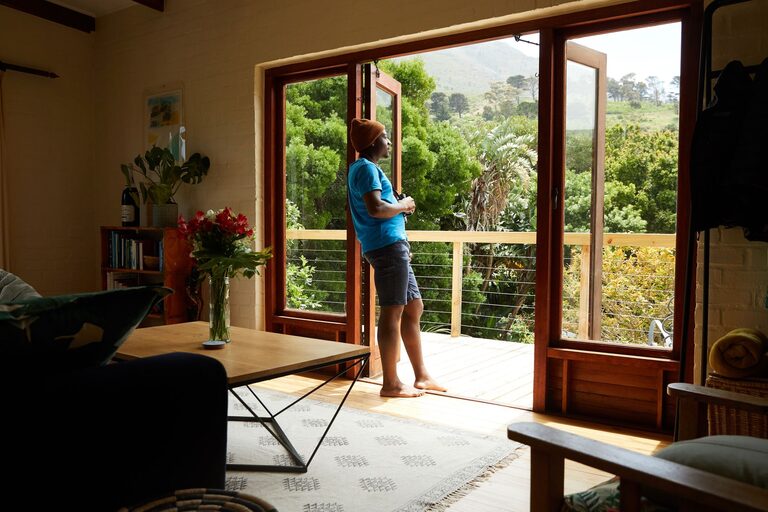

Creating a relaxing home workspace is essential for anyone working remotely or spending long hours at their desk. A well-designed environment can help improve focus, reduce stress, and enhance your overall productivity. Whether you have a dedicated room or just a small corner, there are simple steps you can take to transform your workspace into a calming oasis.
Why a Relaxing Workspace Matters
Working from home offers many benefits, but it can also bring distractions and stress if your environment isn’t supportive. A cluttered or uncomfortable area can lead to fatigue and decreased motivation. Conversely, a relaxing workspace encourages mental clarity and helps maintain a healthy work-life balance.
Choosing the Right Location
Find Natural Light
If possible, set up your workspace near a window. Natural light boosts mood and energy, making it easier to stay alert throughout the day. Avoid harsh glare by positioning your desk perpendicular to the window.
Minimize Noise Distractions
Select a quiet spot away from noisy appliances, televisions, or heavy foot traffic. If you don’t have a dedicated room, consider using noise-canceling headphones or white noise machines to create a peaceful atmosphere.
Consider Space and Functionality
Make sure your chosen area has enough room for your desk, chair, and any tools or equipment you need. A cramped space can feel claustrophobic, so prioritize functionality and comfort when possible.
Ergonomic Furniture and Setup
Invest in a Comfortable Chair
An ergonomic chair supports your posture, reducing strain on your back and neck. Look for adjustable features like seat height, lumbar support, and armrests to customize your comfort.
Choose the Right Desk
Your desk should be spacious enough for your computer, paperwork, and accessories without feeling cluttered. Adjustable desks or standing desk options can help you change positions throughout the day.
Position Your Screen Properly
Place your monitor at eye level about an arm’s length away to avoid neck and eye strain. Use a monitor stand or stack of books to raise it if necessary.
Declutter and Organize
Keep Your Desk Clean
A cluttered desk can distract and overwhelm. Regularly clear away unnecessary items and organize essentials in trays, drawers, or containers.
Use Storage Solutions
Shelves, filing cabinets, and desk organizers help keep papers and supplies tidy. Label storage bins to quickly find what you need without opening every drawer.
Limit Digital Clutter
Organize digital files and bookmarks to reduce screen clutter. Close unused tabs and apps to minimize distractions during work hours.
Incorporate Calming Elements
Add Plants
Indoor plants improve air quality and bring a touch of nature indoors. Choose low-maintenance varieties like succulents or pothos for easy care.
Choose Soothing Colors
Soft, neutral tones like light blues, greens, or beige promote calmness. Avoid overly bright or harsh colors that may increase stress.
Use Soft Lighting
In addition to natural light, add adjustable lamps with soft bulbs. Warm lighting creates a cozy, inviting ambiance that reduces eye strain.
Personalize Your Space
Display Inspirational Items
Photos, artwork, or motivational quotes can boost morale and make the space feel uniquely yours.
Incorporate Comfort Items
A cozy blanket, cushioned seat pad, or wrist rest can increase comfort during long work sessions.
Use Essential Oils or Diffusers
Scents like lavender or eucalyptus may help create a relaxing environment without overpowering your senses.
Establish Routines and Boundaries
Set Work Hours
Define specific start and end times to help separate work from personal life. Use alarms or calendar reminders to stick to your schedule.
Take Regular Breaks
Step away from your desk every hour to stretch, move, or relax your eyes. Short breaks help maintain focus and reduce fatigue.
Keep Your Workspace for Work Only
Avoid using your home office for leisure activities to maintain a clear mental boundary between work and relaxation.
Final Tips
– Regularly reassess your setup and make changes as needed.
– Experiment with different layouts, lighting, and decor until you find what works best.
– Stay mindful of your comfort and well-being throughout your workday.
By creating a relaxing home workspace, you set the stage for better concentration, reduced stress, and improved productivity. Small adjustments can make a big difference in how you feel and perform while working from home. Start with the tips above and gradually tailor your environment to support your unique needs.
About the Author